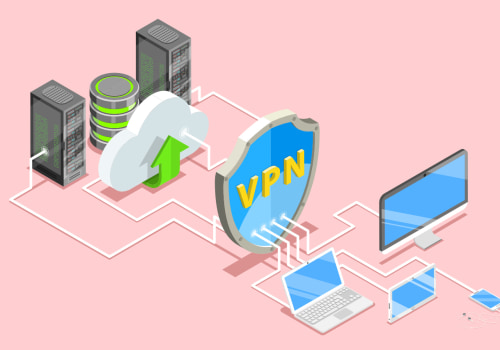
The Benefits of Using a Virtual Private Network (VPN)
Learn about the benefits of using a Virtual Private Network (VPN) such as increased security, privacy, and access to content.

24 Articles Written
Kathy Vicens writes for GTR VPN about how virtual private networks work and their limitations. Her articles explain VPN setup, IP address visibility, privacy risks, performance trade-offs and the differences between VPNs and proxy servers.
Learn about the benefits of using a Virtual Private Network (VPN) such as increased security, privacy, and access to content.
Using a Virtual Private Network (VPN) is a great way to protect your online privacy and security. Learn how to check if your IP address is hidden when using a VPN and why it's important.
Learn how to use a Virtual Private Network (VPN) with your mobile device and protect your data from third parties.
Learn how to ensure data security when using a Virtual Private Network (VPN). Find out what steps you need to take to make sure your data is secure.

A Virtual Private Network (VPN) is an important tool for protecting your privacy online. Learn more about how it works and its benefits.
A Virtual Private Network (VPN) and an intranet are two different types of networks that are used for different purposes. Learn about their differences and how they can be used.
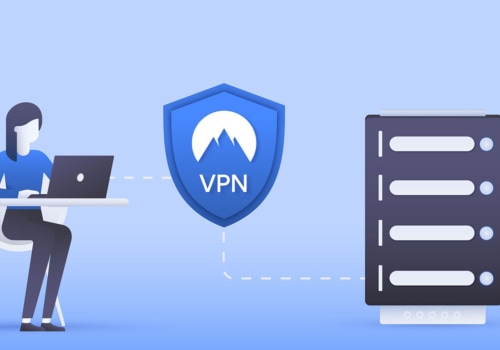
Learn how you can use a Virtual Private Network (VPN) to access websites that are blocked in your school or workplace.

Learn how to use a Virtual Private Network (VPN) on your work computer with expert advice from our guide. Find out what considerations you should keep in mind before using a VPN.
Learn how to use a Virtual Private Network (VPN) to access streaming services that are blocked in your school. Find out what benefits a VPN provides and how to choose the right one.
Find out if you need special hardware or software to use a Virtual Private Network (VPN). Learn about the different options available and how they can help keep your data secure.
Learn how you can use your existing internet connection with a Virtual Private Network (VPN). Find out what considerations you should keep in mind when using a VPN.
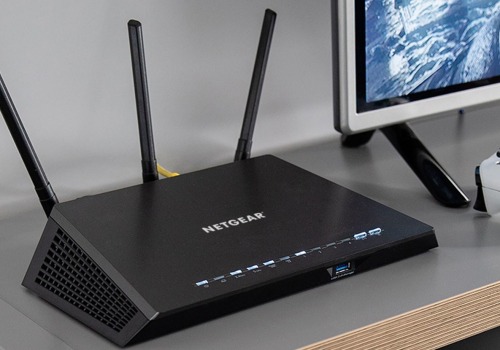
Using a Virtual Private Network (VPN) is an effective way to protect your online privacy and security. But do you need to configure your router for a VPN? Learn why and how in this article.

Learn how to ensure your connection is secure when using a Virtual Private Network (VPN). Find out what steps you need to take to protect your data from hackers and malicious actors.

A Virtual Private Network (VPN) and Firewall are two of the most important tools for protecting online data & privacy. Learn more about their differences & how they work.

A Virtual Private Network (VPN) and an IP address are two different technologies used for connecting computers and other devices to the internet. Learn about their differences and how they can be used.
A Virtual Private Network (VPN) and an SSL connection are two different types of secure connections that are used to protect data and information. Learn about their differences and how they can be used.
Learn everything you need to know about Virtual Private Networks (VPNs) and whether or not you need to pay for using one.
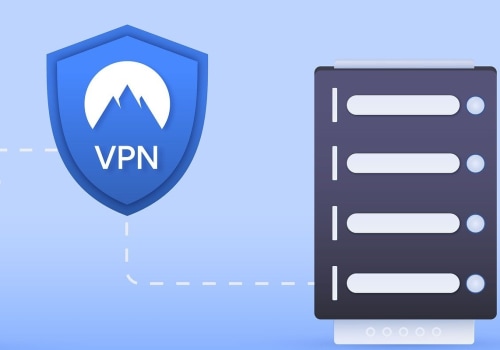
A Virtual Private Network (VPN) is a secure connection that allows users to access the internet without their data being exposed to third parties. Learn about the potential risks of using a VPN and how to mitigate them.
A Virtual Private Network (VPN) is a secure connection between two or more devices that allows users to access the internet without their data being exposed to third parties. This article explores the privacy implications of using a VPN.

Learn about the differences between Virtual Private Networks (VPNs) and Virtual Private Local Area Networks (VPLSs). Find out which one is best for your organization's needs.
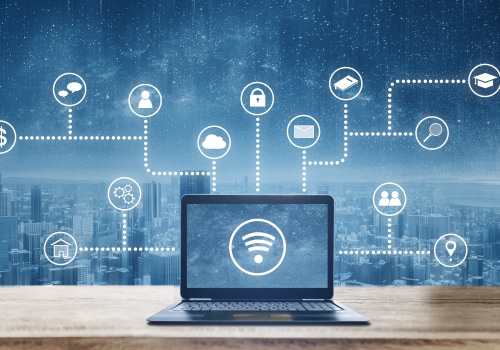
Learn about the performance implications of using a Virtual Private Network (VPN), including speed, data caps, security protocols used and cost.
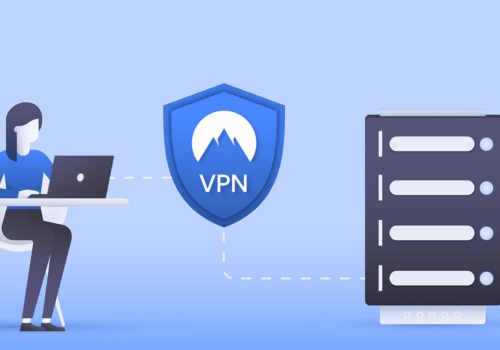
Learn how to use a Virtual Private Network (VPN) to access websites that are blocked in your country. Find out what features to look for when choosing a VPN and how to set it up.

Learn about the differences between Virtual Private Network (VPN) and Proxy Server and decide which one is best for you.
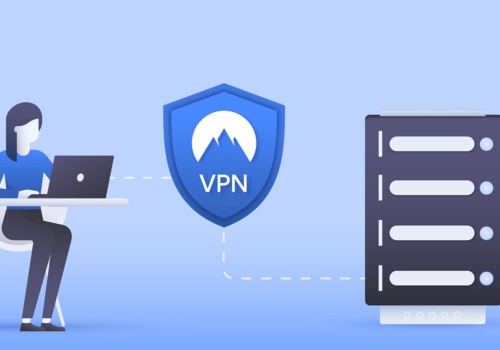
Are you looking for a way to access websites that are blocked in your workplace? A Virtual Private Network (VPN) may be the answer. Learn how using a VPN can help you bypass restrictions and access the content you need.